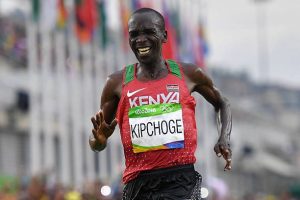
Sports nutrition and diet are critical pillars for athletes striving to optimize their performance and maintain overall health. In Kenya, where athletes compete at elite levels across disciplines such as athletics, rugby, basketball, and more, the importance of a well-structured nutritional plan cannot be overstated. These nutrition strategies are designed to meet the specific energy demands of each sport, support muscle recovery, and enhance endurance.
Carbohydrates are the cornerstone of the athlete’s diet, providing the main source of energy required for sustained physical activity. Common carbohydrate sources in Kenya include ugali (a maize meal staple), rice, chapati, potatoes, and pasta. Ugali remains the most favored because it is affordable, easy to prepare, and efficiently fuels prolonged exercise sessions. Consuming digestible carbohydrates in reasonable intervals aids in maintaining energy levels during training and competition.
Proteins are equally important as they contribute to muscle growth, repair, and strength. Kenyan athletes commonly consume lean proteins from beans, beef, chicken, fish, lentils, and green grams. In some regions, unconventional high-protein foods like termites are popular due to their nutritional density and accessibility. Including leafy greens and fruits ensures adequate micronutrient intake, enhancing immunity and recovery.
Hydration is predominantly maintained through water, given its accessibility and benefits. While carbohydrate and electrolyte-rich sports drinks are effective, their cost limits use to only a few high-tier athletes. Supplements like whey protein and creatine are utilized by some athletes, especially in rugby, but reliance on natural food sources remains the norm for most due to economic considerations.
Despite some misconceptions — such as the fear of gaining weight from eating more or competing without proper nutrition — education remains a challenge. Many athletes and coaches lack access to trained sports nutritionists, which can hinder the adoption of optimal dietary practices. Empowering athletes with better nutrition knowledge and incorporating experts into training teams could significantly improve performance and health outcomes.
In conclusion, Kenyan athletes generally rely on locally sourced, nutrient-rich foods adapted to their energy needs and sporting demands. Prioritizing carbohydrates for energy, proteins for tissue repair, and adequate hydration are foundational practices that contribute to Kenya’s continued success in various sports disciplines.